Featured
Table of Contents
Total insolvency filings rose 11 percent, with increases in both service and non-business insolvencies, in the twelve-month period ending Dec. 31, 2025. According to data released by the Administrative Office of the U.S. Courts, yearly bankruptcy filings totaled 574,314 in the year ending December 2025, compared to 517,308 cases in the previous year.
Non-business bankruptcy filings increased 11.2 percent to 549,577, compared with 494,201 in December 2024. Personal bankruptcy totals for the previous 12 months are reported four times annually.
For more on bankruptcy and its chapters, view the list below resources:.
As we enter 2026, the insolvency landscape is expected to move in ways that will significantly impact creditors this year. After years of post-pandemic unpredictability, filings are climbing up progressively, and economic pressures continue to affect customer behavior.
Securing Qualified Debt Help and Support in 2026
The most popular trend for 2026 is a sustained increase in insolvency filings. While filings have actually not reached pre-COVID levels, month-over-month growth recommends we're on track to exceed them soon.
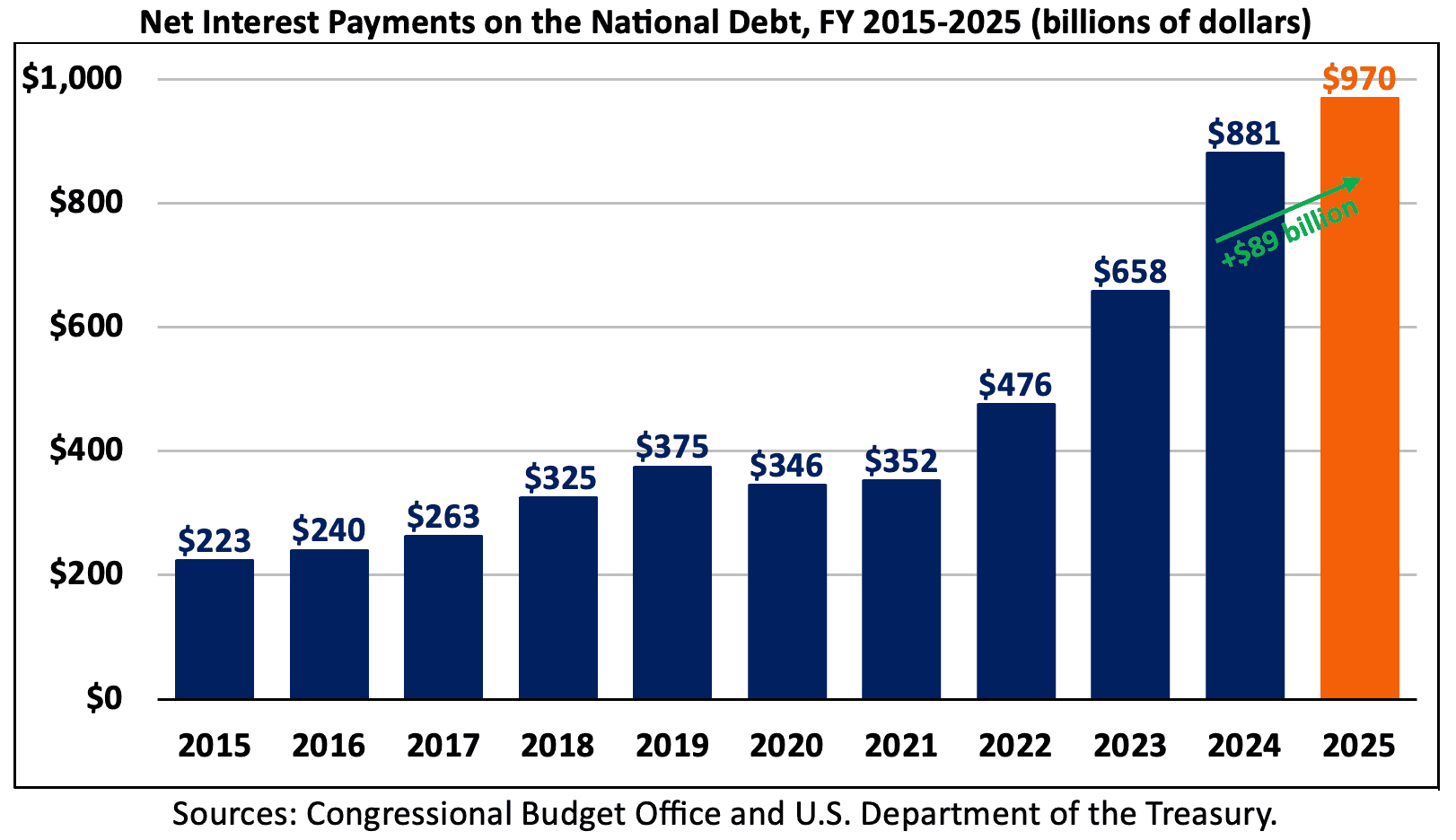
While chapter 13 filings continue to increase, chapter 7 filings, the most typical kind of consumer bankruptcy, are anticipated to dominate court dockets. This trend is driven by consumers' lack of non reusable earnings and installing monetary pressure. Other key motorists consist of: Persistent inflation and elevated interest rates Record-high credit card debt and depleted cost savings Resumption of federal student loan payments In spite of recent rate cuts by the Federal Reserve, interest rates remain high, and borrowing expenses continue to climb.
As a creditor, you may see more foreclosures and automobile surrenders in the coming months and year. It's also essential to closely monitor credit portfolios as financial obligation levels stay high.
We anticipate that the real effect will strike in 2027, when these foreclosures move to conclusion and trigger bankruptcy filings. How can financial institutions remain one action ahead of mortgage-related personal bankruptcy filings?
Benefits and Risks of Debt Settlement in 2026
In recent years, credit reporting in insolvency cases has actually ended up being one of the most controversial subjects. If a debtor does not declare a loan, you ought to not continue reporting the account as active.
Here are a few more finest practices to follow: Stop reporting discharged financial obligations as active accounts. Resume typical reporting only after a reaffirmation agreement is signed and submitted. For Chapter 13 cases, follow the strategy terms thoroughly and consult compliance teams on reporting obligations. As consumers end up being more credit savvy, mistakes in reporting can lead to disputes and prospective litigation.
Another trend to see is the boost in pro se filingscases filed without attorney representation. Sadly, these cases frequently develop procedural problems for financial institutions. Some debtors might stop working to precisely divulge their assets, earnings and expenditures. They can even miss key court hearings. Once again, these concerns include complexity to bankruptcy cases.
Some current college grads might manage commitments and resort to insolvency to manage total financial obligation. The failure to ideal a lien within 30 days of loan origination can result in a financial institution being dealt with as unsecured in insolvency.
Think about protective measures such as UCC filings when hold-ups occur. The bankruptcy landscape in 2026 will continue to be formed by economic unpredictability, regulatory examination and developing consumer habits.
Understanding the Certified Housing Counseling Process in 2026
By expecting the patterns mentioned above, you can alleviate exposure and preserve functional strength in the year ahead. This blog site is not a solicitation for organization, and it is not meant to make up legal guidance on particular matters, develop an attorney-client relationship or be legally binding in any way.
With a quarter of this century behind us, we get in 2026 with hope and optimism for the brand-new year., the business is discussing a $1.25 billion debtor-in-possession financing bundle with creditors. Added to this is the basic global downturn in high-end sales, which might be crucial factors for a potential Chapter 11 filing.
Managing High Debt With Management Plans in 202617, 2025. Yahoo Financing reports GameStop's core service continues to battle. The company's $821 million in net revenue was down 4.5% year-over-year, driven by a 12% decline in hardware and a 27% decrease in software application sales. According to Looking For Alpha, a key element the company's persistent earnings decrease and decreased sales was last year's undesirable weather condition conditions.
Tips to Restore Credit Health After Debt in 2026
Swimming pool Magazine reports the business's 1-to-20 reverse stock split in the Fall of 2025 was both to make sure the Nasdaq's minimum quote rate requirement to maintain the business's listing and let investors know management was taking active steps to address monetary standing. It is unclear whether these efforts by management and a better weather condition climate for 2026 will help avoid a restructuring.

According to a current publishing by Macroaxis, the chances of distress is over 50%. These concerns combined with significant financial obligation on the balance sheet and more people avoiding theatrical experiences to enjoy motion pictures in the comfort of their homes makes the theatre icon poised for personal bankruptcy proceedings. Newsweek reports that America's most significant child clothing merchant is preparing to close 150 stores across the country and layoff hundreds.

Latest Posts
Choosing Between Insolvency and Debt Settlement Options
Essential Requirements for Starting Bankruptcy in 2026
Verified Government Debt Relief Initiatives in 2026